



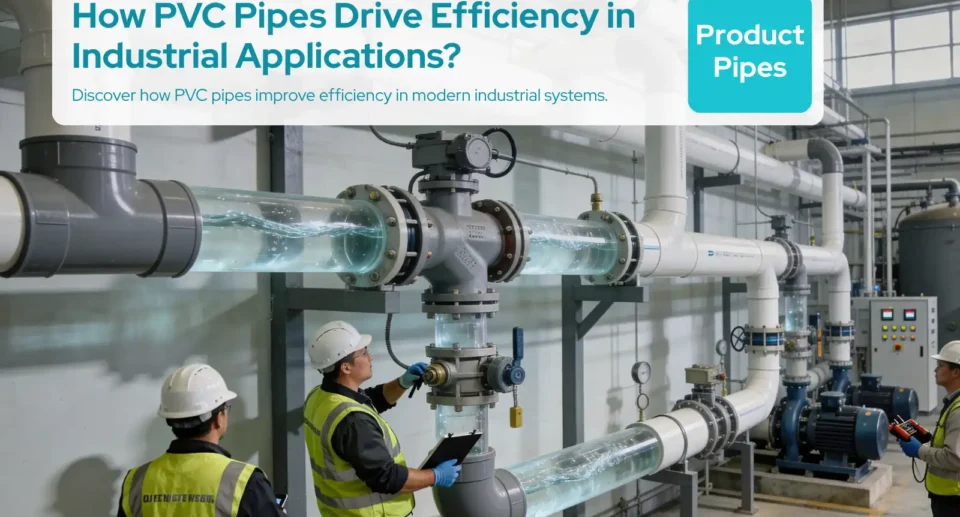
The industry functions on precision, speed, and reliability. The system inside the factory requires smooth production. As the saying goes, “A chain is only as strong as its weakest link.” That is why in industrial operations, piping often becomes that critical link. The pipes carry water, chemicals, gases, and other fluids that help the industrial operation keep on moving. When piping fails, production stops. The downtime can increase losses and damage the reputation. For that reason, industries now depend on PVC Pipes in Industrial Applications.
These pipes not only provide durability, corrosion resistance, and long service life but also reduce installation time and maintenance expenses. Over the past few years, technological advancements have led industries to shift from traditional metal piping to advanced plastic solutions. Among all PVC Pipes in Industrial Applications stand out for performance and cost efficiency.
In this blog, we will explore why industries prefer PVC pipes, the meaning of PVC pipes, their benefits, comparison and a lot more. Read on …
Key Takeaways
- PVC enhances efficiency and reduces downtime.
- The PVC pipes are good for corrosion and chemical damage.
- Installation remains easy and cost-effective.
- Smooth interiors improve flow performance.
- PVC supports sustainability goals.
- Many industries prefer PVC over metal alternatives.
What Are PVC Pipes?
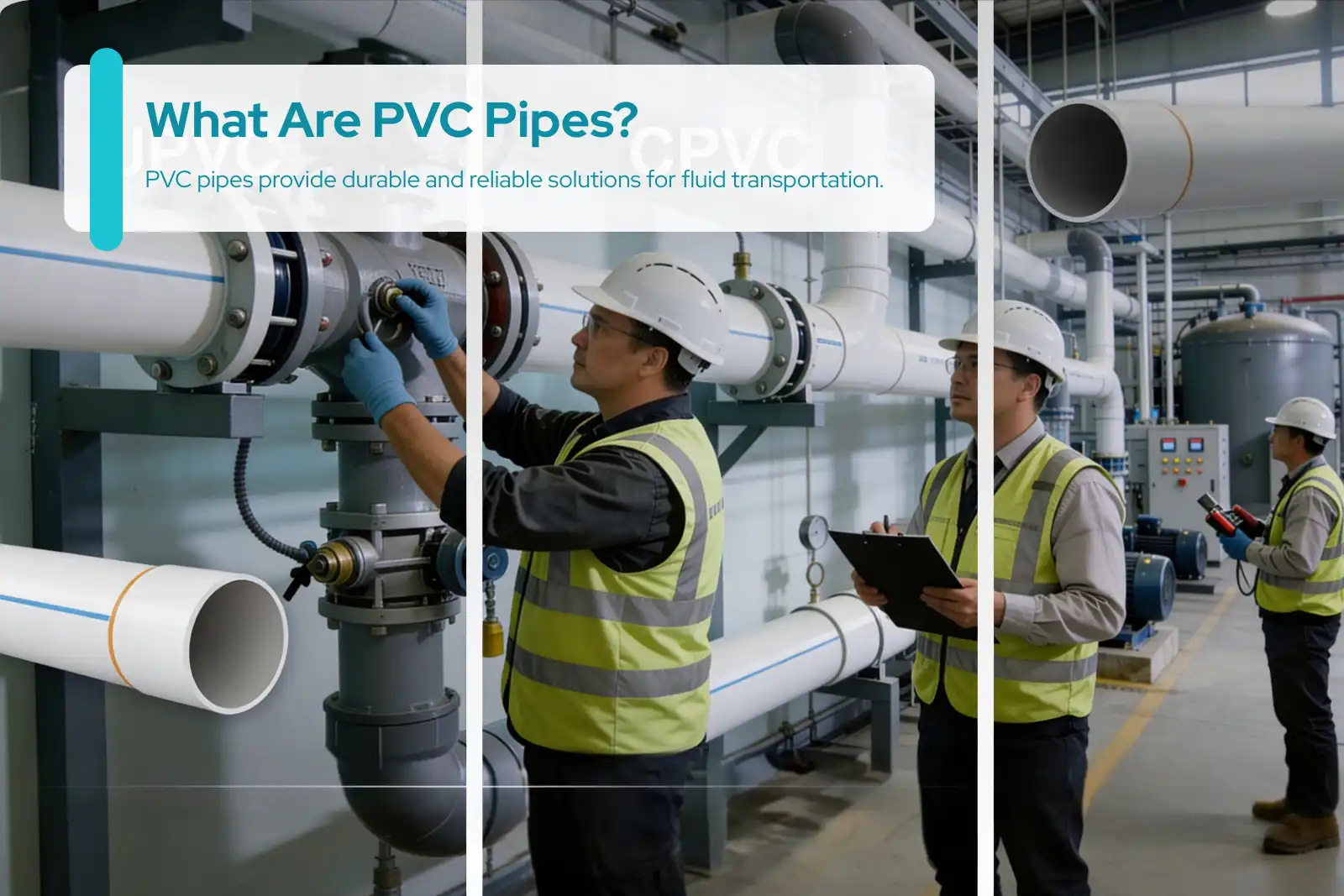
PVC is known as Polyvinyl Chloride. The material is made of thermoplastic material, which is strong and versatile. The manufacturers can shape them into various forms depending on different diameters and thicknesses for industrial use.
Industries mainly use three types of PVC piping:
- UPVC (Unplasticized PVC) – The nature of these pipes is strong and rigid, best for cold water and industrial fluid transport.
- CPVC (Chlorinated PVC) – Can hold higher temperatures.
- Standard PVC – Ideal for drainage and chemical discharge.
Compared to metal, these pipes never react with most chemicals or rust when exposed to moisture. So, it is good in harsh industrial environments.
Because of these qualities, PVC Pipes in Industrial Applications continue to replace outdated metal systems.
Why Industries Prefer PVC Piping
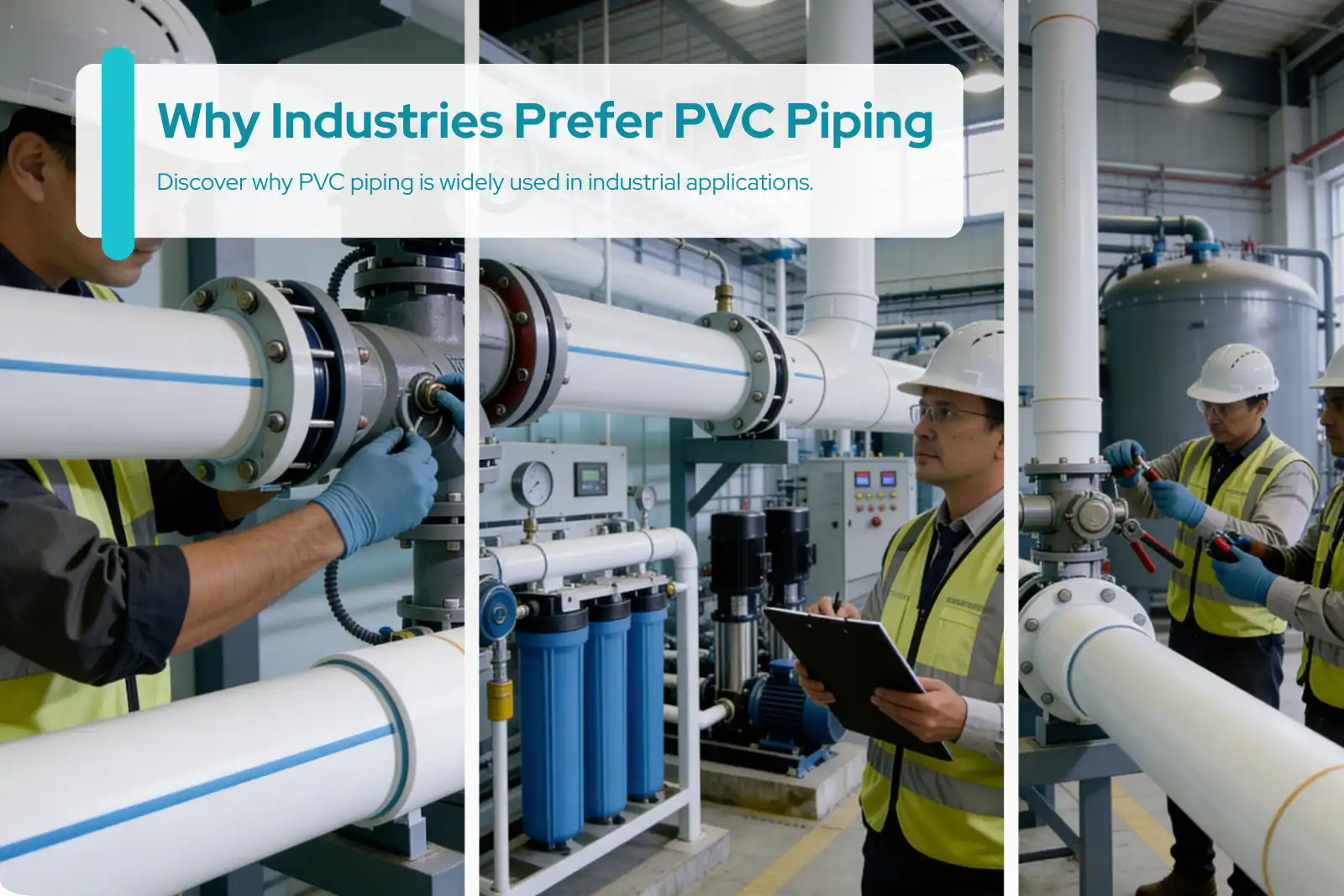
Let’s explore here why industrial people prefer them:
Benefits of PVC Pipes in Industry
The Benefits of PVC Pipes in industry make industrial people choose them for their factories and processing plants. These pipes support efficiency and long-term performance.
Key benefits include:
- It is very Lightweight and easy to transport
- In easy steps, one can install
- Great for corrosion resistance
- Low maintenance needs
- Long operational life
The Benefits of PVC Pipes in Industry also include improving safety. PVC is a good conductor of electricity, which reduces certain industrial risks.
Industrial PVC Piping Systems
Modern Industrial PVC Piping Systems function according to the demand of the environment.
Example:
In a chemical manufacturing plant, the work of PVC pipes is that it transport acidic solutions from storage tanks to processing units. As we know, PVC resists corrosion and chemical reactions, which prevents pipe damage and leakage. So, it helps to flow the fluid safely without any interruption in the production process, even in harsh chemical environments.
Industries that use them include:
- Chemical processing plants
- Textile manufacturing units
- Water treatment facilities
- Pharmaceutical factories
Well-designed Industrial PVC Piping Systems can reduce leakage risk and enhance the efficiency of fluid flow.
Advantages of PVC Pipes Over Metal Pipes
When you are differentiating materials, the Advantages of PVC Pipes Over Metal Pipes have become clearer. Metal pipes rust more quickly. When the metal pipes become older it prone to corrosion reduces flow capacity. Need time to time repair, which is costly.
In contrast, the Advantages of PVC Pipes Over Metal Pipes include:
- Rust-free performance
- Excellent chemical resistance
- Smooth inner surface for better flow
- Lower installation cost
- Longer lifespan
PVC helps the fluid to flow even if it becomes years and years, due to its consistent diameter. This stability helps industries maintain production targets without interruptions.
Cost-Effective Industrial Piping Solutions
Budget plays an important role in every industrial project. PVC supports Cost-Effective Industrial Piping Solutions that cut costs.
Here is how PVC saves money:
- The material cost is very low
- It reduces labour charges for faster installation
- Minimal maintenance requirements
- Fewer replacements over time
These Cost-Effective Industrial Piping Solutions help businesses not only to distribute funds to other growth areas but also to avoid frequent repairs.
Comparison Table: PVC vs Metal Pipes
| Feature | PVC Pipes | Metal Pipes |
|---|---|---|
| Corrosion Resistance | Excellent | Prone to rust |
| Weight | Lightweight | Heavy |
| Installation | Quick and easy | Time-consuming |
| Maintenance | Low | High |
| Cost | Affordable | Expensive |
| Flow Efficiency | High due to smooth surface | Reduced over time due to scaling |
This comparison above here shows why PVC Pipes in Industrial Applications is great than traditional metal systems in many scenarios.
How PVC Pipes Improve Operational Efficiency
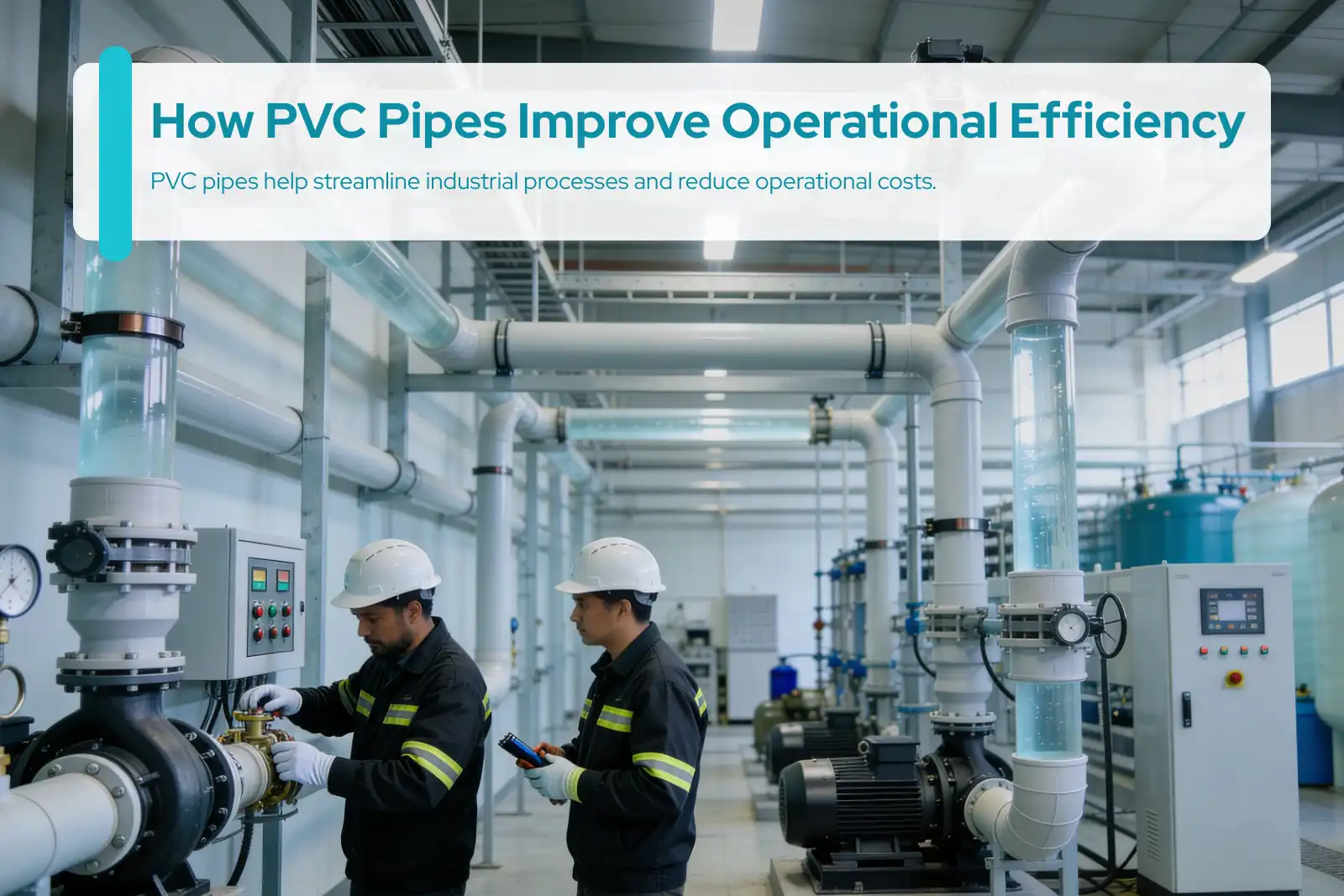
Efficiency can be defined as when there is uninterrupted flow and low maintenance. PVC Pipes in Industrial Applications support both goals. Its smooth internal surface reduces friction. Here are some efficiency definitions when it works on an industrial setup
- Fluids move freely without resistance.
- Pumps consume less energy, which lowers electricity bills.
- This reduces leakage and prevents wastage of water or chemicals.
PVC joints offer secure sealing. In industries dealing with hazardous materials, this feature becomes very important.
Another advantage it includes quick installation. Workers can assemble PVC piping faster than metal systems. This avoids project timelines and allows factories to start operations sooner.
When industries upgrade to PVC Pipes in Industrial Applications, they often experience fewer shutdowns, which improves productivity and better output consistency.
Environmental Benefits
Sustainability has become a major priority across industries. It contributes to environmental goals in many ways.
- PVC pipes last for more than decades
- Avoid water leakage
- They require less energy to produce than many metal pipes
- They are recyclable
Because of these features, PVC Pipes in industrial applications are great for green building standards and responsible resource management.
Key Industries Using PVC Pipes
Many sectors rely on PVC Pipes in Industrial Applications for safe and efficient operations.
- Chemical Industry
- Water Treatment Plants
- Food and Beverage Industry
- Manufacturing Units
- Agriculture and Irrigation
Factors to Consider Before Choosing PVC Pipes
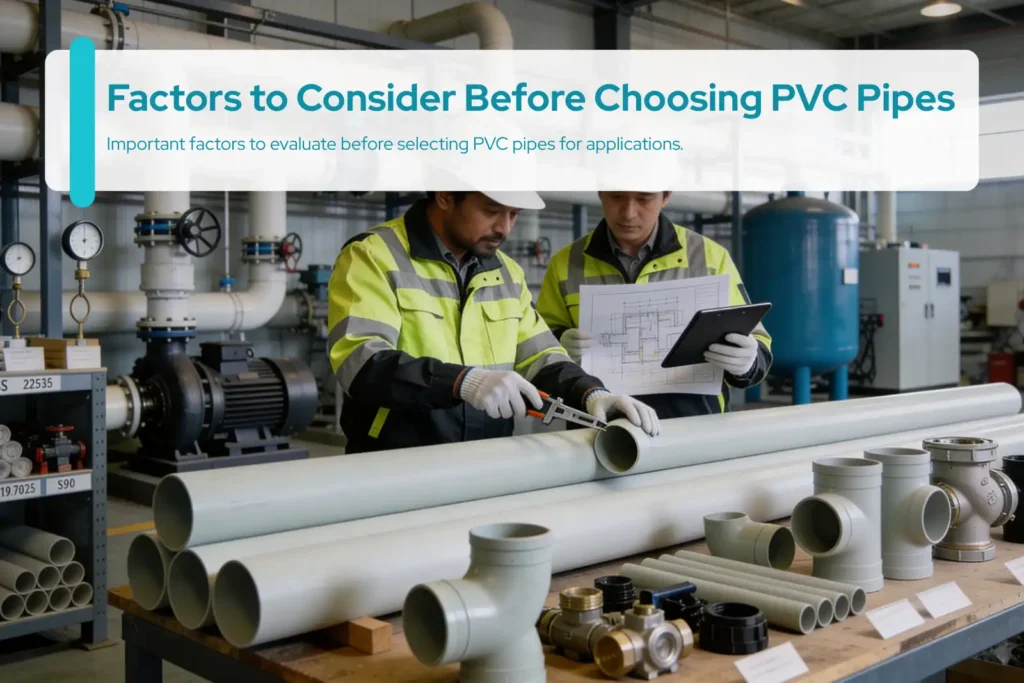
Before selecting a PVC piping system, let’s look into these factors:
- Pressure rating suitable for the application
- Temperature limits
- Chemical compatibility
- Pipe diameter and thickness
- Compliance with industry standards
Proper planning ensures maximum benefit from PVC Pipes in Industrial Applications. Choosing the correct specifications prevents operational issues in the future.
Final Thoughts
Choosing the right piping system can perform PVC Pipes in Industrial Applications in a better way. It offers durability, corrosion resistance, and long-term reliability. In short, PVC is the best investment for industries that can bring efficiency, safety, and sustainable growth.
If you need a strong, durable and cost-effective PVC pipe for your industrial need then choose the PVC pipes manufacturer in Odisha – Mangalam!
FAQs
1. Why do industries choose PVC pipes?
Industries choose PVC for its resists corrosion, reducing maintenance, and lowering overall costs.
2. Can PVC pipe be the best for handling industrial chemicals?
Yes, PVC is the best for handling industrial chemicals. It resists many acids and chemicals. Always verify compatibility before installation.
3. How long do PVC pipes last in industrial settings?
They can last 25–50 years, depending on usage and environmental conditions.
4. Are PVC pipes energy efficient?
Yes, their smooth interior reduces friction, which lowers pump energy consumption.
5. Do PVC pipes require frequent maintenance?
No, they require minimal maintenance compared to metal pipes. Regular inspection ensures long-term performance.



1 Comment
[…] plays an important role. Plastic pipes are less than copper or steel pipes. They are one of the best pipes for home plumbing in Odisha because of their low repair costs and long […]