



Plumbing plays a crucial role in keeping your home clean and functional. Many homeowners think that all pipes do the same job. But that is not true. They take it more seriously when they face any plumbing issue. Grasping the knowledge on Difference Between Drain Pipes and Waste Pipes helps you to make better decisions during construction or renovation.
Your plumbing system helps to remove waste water safely from your home. When it comes to hygiene, this plumbing system keeps your bathroom and outdoor areas clean.
If you take these differences lightly, then you can face leaks, blockages, or costly repairs later. In this blog, we will break everything down in simple terms so you can clearly understand how both systems work.
Key Takeaways
- Wastewater is removed from fixtures by Waste pipes
- Drain pipes help to move the wastewater to the sewer line.
- Drain pipes are bigger and stronger.
- The greywater is only handled by Waste pipes
- Both are essential for a proper drainage system.
- The right installation can reduce leaks and blockages.
- Knowing the Difference Between Drain Pipes and Waste Pipes helps in smart plumbing decisions.
What Is A Drain Pipe In Plumbing?
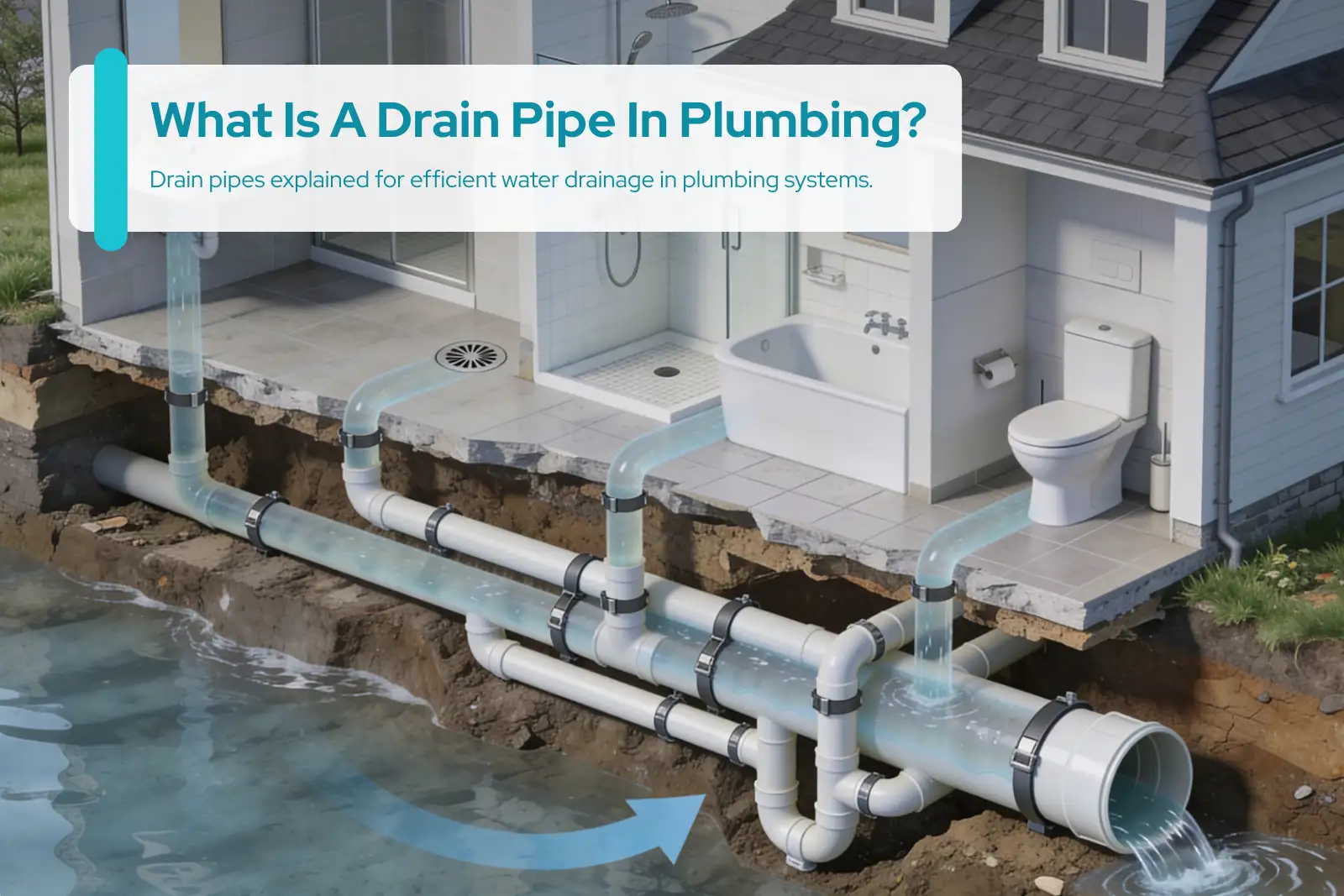
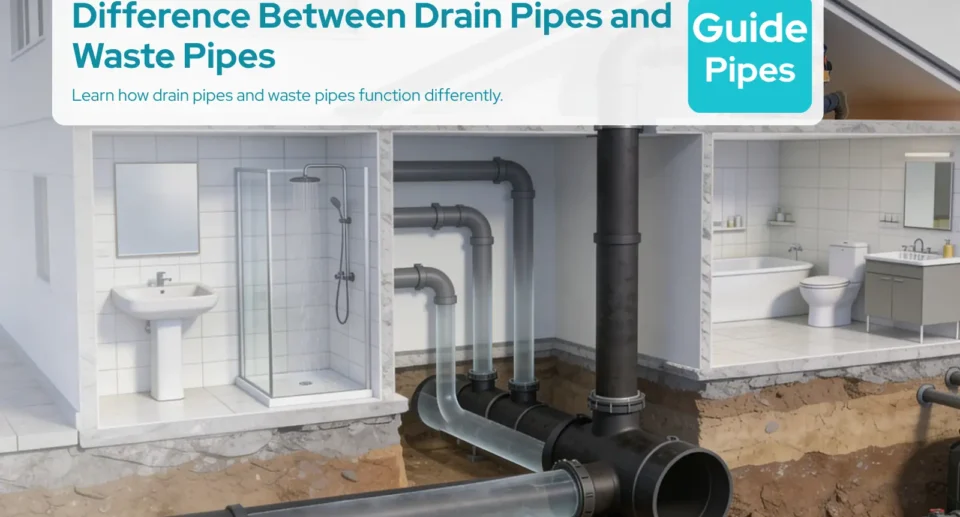
A drain pipe is a part of the main drainage system. Installing the drain pipe helps to carry the wastewater and sometimes solid waste away from your home into the sewer line or septic tank. In common words, it is said that a drain pipe handles the final stage of water removal. Once the water gushes out from your sink, toilet, or shower through smaller pipes, it falls into the drain pipe.
Key Features of Drain Pipes:
- It have larger diameter
- Linked to underground sewer systems
- Installed with proper slope for smooth flow
- Designed to handle heavy water flow
Common materials include PVC, cast iron, and ABS plastic. These materials resist corrosion and last for years.
If you understand what a drain pipe does, the Difference Between Drain Pipes and Waste Pipes becomes easier to grasp.
What is a Waste Pipe?
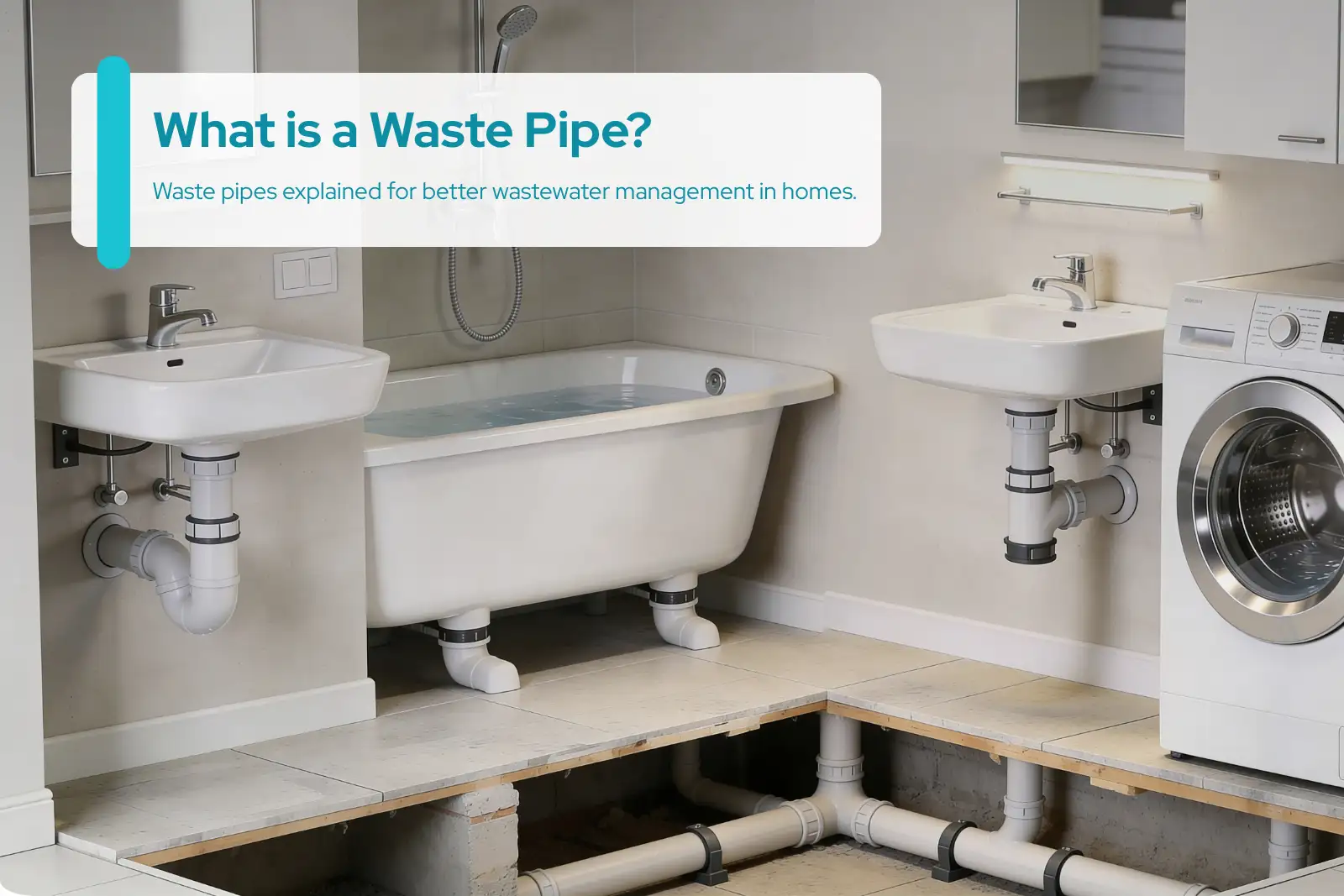
A waste pipe drains wastewater from fixtures like sinks, bathtubs, washing machines, and kitchen basins. It helps to remove grey water, but it does not carry solid toilet waste.
It works as a connector. It gathers water from individual fixtures and directs it toward the main drain pipe.
Key Features of Waste Pipes:
- Smaller diameter compared to drain pipes
- Installed inside walls or floors
- Designed mainly for liquid waste
- Connected directly to household fixtures
PVC is the common material due to its affordability and easy installation.
Many homeowners confuse these pipes, but the Difference Between Drain Pipes and Waste Pipes becomes clear once you understand their specific roles.
Drain Pipe Vs Waste Pipe Difference
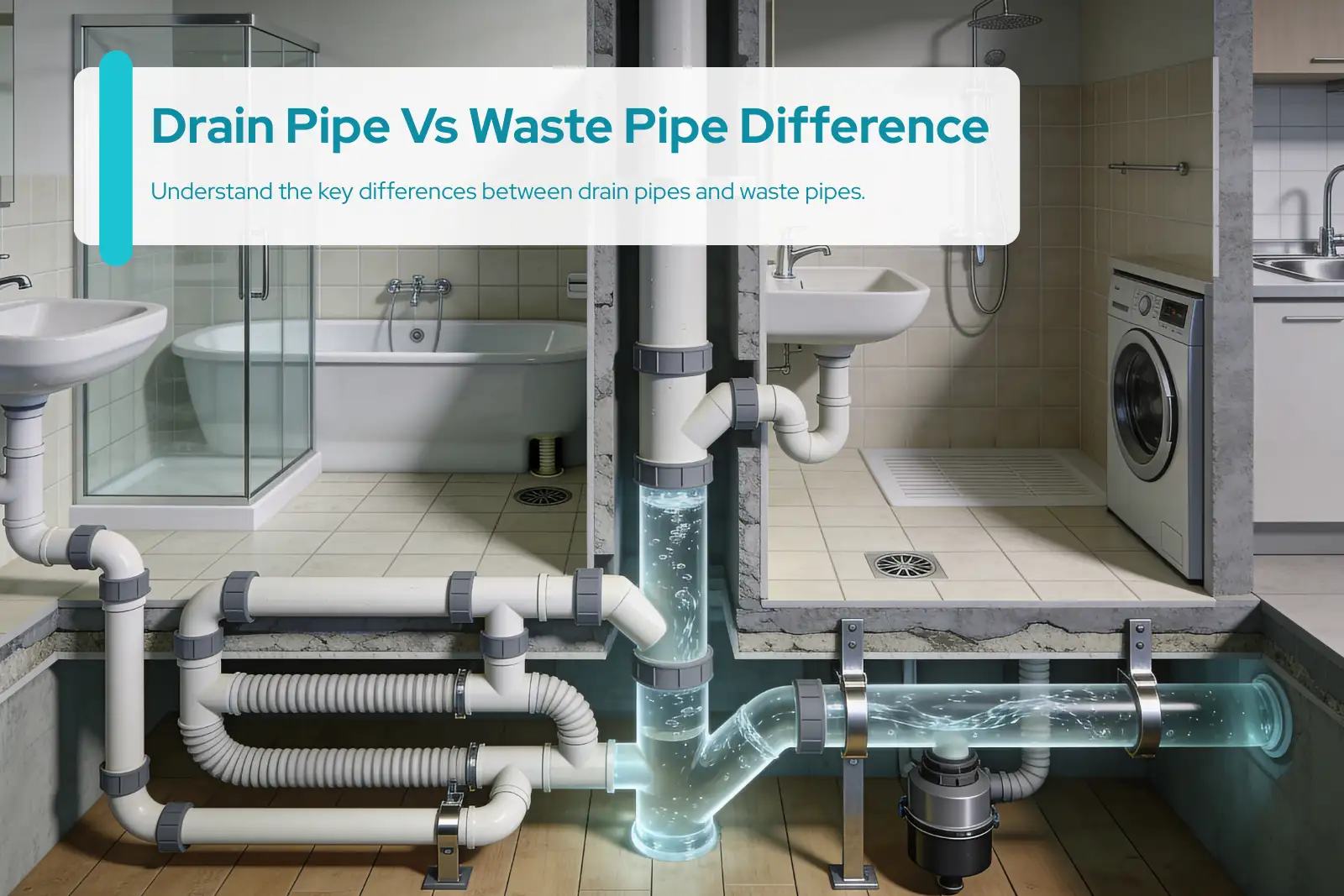
Now let’s clearly compare them.
Purpose
The used water is removed from waste pipes through sinks, showers, and washing machines. Drain pipes carry the used water into the sewer system. This forms the core of the
Difference Between Drain Pipes and Waste Pipes
Size and Design
Mostly the drain pipe have bigger diameter because it hold higher water volume. Waste pipes are short as it hold limited water flow from fixtures. The design also differs. Drain pipes need a stronger slope to prevent blockages.
Location in Plumbing System
Always waste pipes are connected to fixtures inside your home. A drain pipe is usually fitted underground or outside the building. This structural location marks another major drain pipe and waste pipe comparison.
| Pipe Type | Type of Water Carried | Description |
| Waste Pipe | Greywater | Carries water from sinks, showers, bathtubs, and washing machines. |
| Drain Pipe | Greywater + Blackwater | Carries wastewater from waste pipes along with toilet discharge to the main sewer line. |
Similarities Between Drain Pipes and Waste Pipes
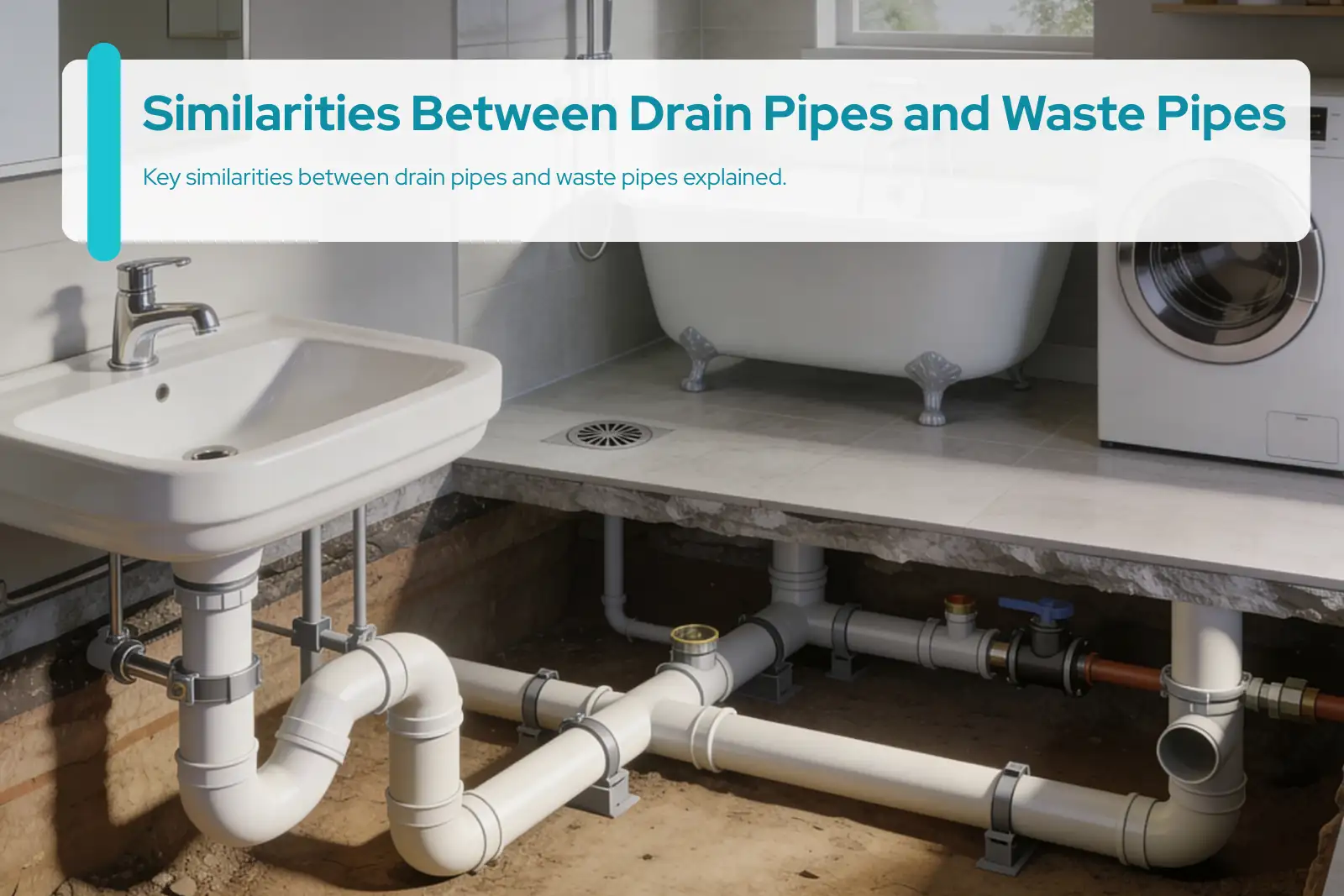
Although they are Difference between Drain Pipes and Waste Pipes, they still have some similarities:
- Both remove unwanted water
- Both are connected with drainage system
- Both use pipe materials like PVC
- Both require proper installation and slope
Without either of them, your plumbing system would fail.
Common Problems and Maintenance Tips
Care is required when it comes to a long-lasting plumbing system.
Common Problems:
- Blockages from grease or hair
- Pipe leakage
- Foul smell due to trapped debris
- Cracks due to pressure or poor installation
Maintenance Tips:
- Do not pour oil into sinks
- Use cover the drain with a lid
- Clean pipes regularly
- Check joints for leaks
- Hire professionals for annual inspection
Regular maintenance reduces plumbing emergencies and extends pipe life.
Which One is Better for Your Home?
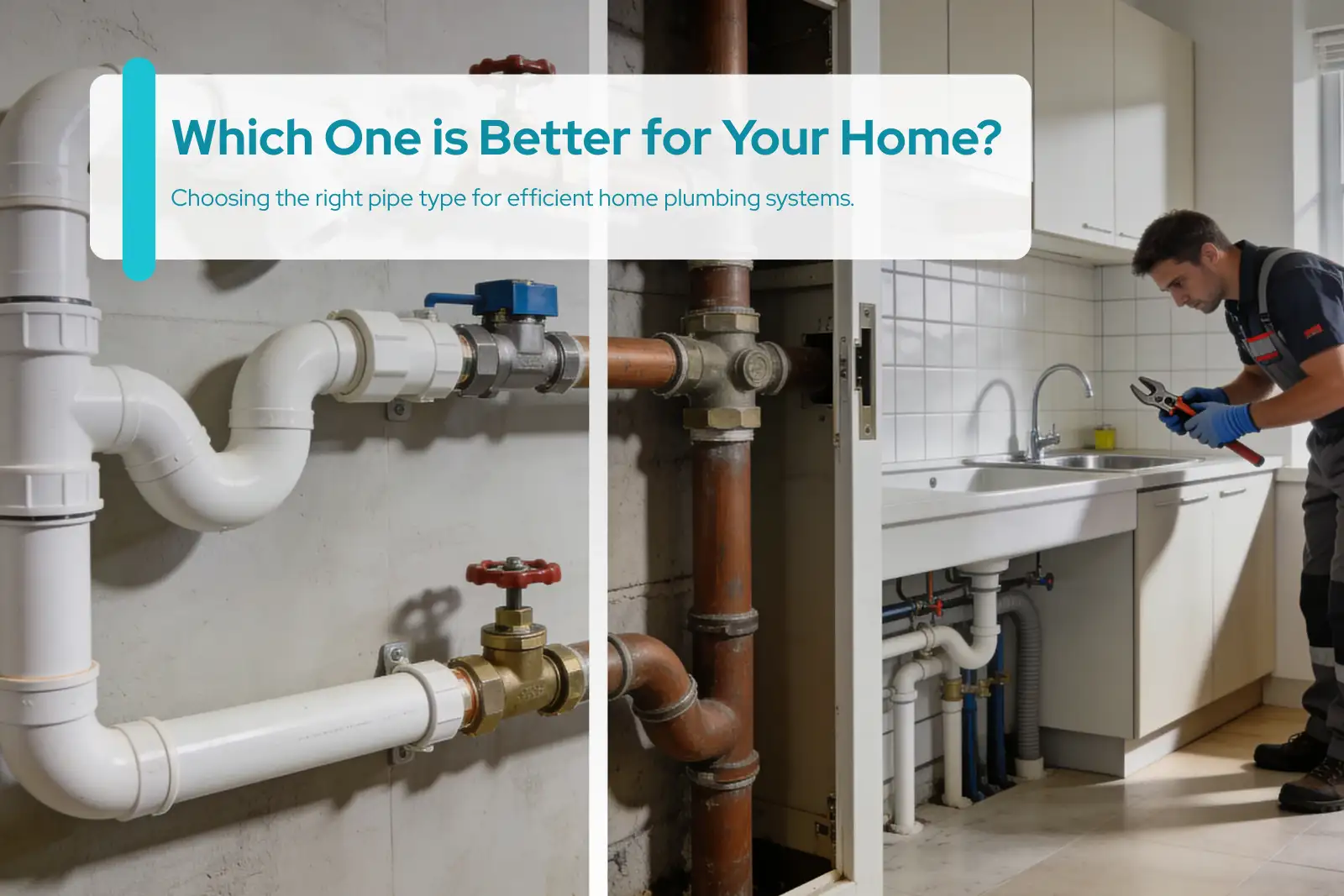
This question often comes up. But the truth is, you need both.
You can weigh one with the other; both are important. Each pipe performs its specific job. When you are thinking of buying new pipes from a supplier then contacting a plumbing expert is very important.
Book an appointment with the PVC pipes manufacturer in Odisha – Mangalam. They will provide you with the best PVC pipes that suit your household needs.
Final Thoughts
Plumbing may look simple outside, but inside, we do not know what the problem is. So, taking utmost care and understanding the Difference between Drain Pipes and Waste Pipes can ease your plumbing issues. Whether you are building a new house or renovating an old one, proper pipe selection protects your investment. Small knowledge today can prevent big expenses tomorrow.
Frequently Asked Questions (FAQs)
1. What is the main difference between drain pipes and waste pipes?
No, they are not the same. Waste pipes carry water from fixtures. Drain pipes move that water to the main sewer system.
2. Can a waste pipe be directly connected to the sewer line?
Usually, no. Waste pipes first connect to a drain pipe, which then connects to the sewer line.
3. Why are the drain pipes usually bigger than the waste pipes?
Drain pipes handle more water and sometimes solid waste. So they need a larger diameter to avoid blockages.
4. Why PVC pipes work best for the home?
PVC works well for most homes. It resists corrosion and offers long life at an affordable cost.
5. How do I know if my pipe is blocked?
Slow drainage, foul smell, or water backup often indicate a blockage. Call a plumber quickly to avoid damage.



4 Comments
[…] left untreated, corrosion weakens pipes and shortens their […]
[…] pipes burst when they fail under […]
[…] Regularly inspect your plumbing system […]
[…] a rust-resistant stainless steel sink with a durable PVC drainage system is best, which can avoid installation issues, water splashing, or difficult […]